Sewer Line Repair for Rochester Hills Homeowners
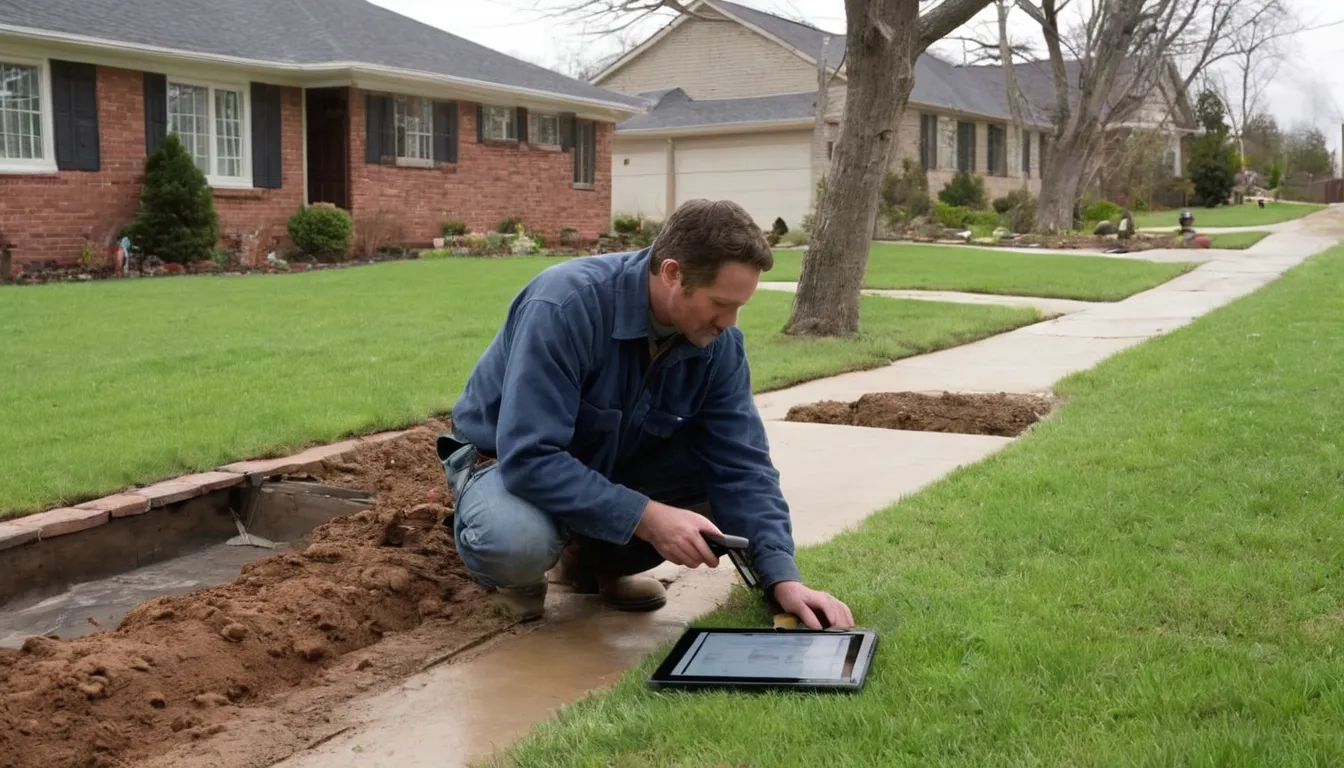
A sewer line carries wastewater from your house out to the street main or to a septic tank. When it cracks, clogs or collapses, the waste has nowhere to go. It may come up in a basement floor drain, a tub or a toilet. That is messy and unhealthy, and it is stressful if you have never faced it before.
Immigrationfinally Septic is a referral service. We do not do the repair work. We connect homeowners in Rochester Hills and the Rochester Hills area with independent local providers who inspect lines, explain what they find and offer repair options. This page walks you through what to do first, what repair can involve and what to ask. You decide each step. Photos and notes make every conversation easier.
Sewer Backup? Start Here
Wastewater coming up through a drain is a sign to slow down and act with care. You do not need to fix anything yourself. Your goals are to limit the mess, stay safe and get a provider to look at the line.
Stop Adding Water
Pause the washing machine, dishwasher and showers. Hold off on flushing. Every gallon you send down has to go somewhere, and right now it may come back up in the drain closest to the floor.
Keep People and Pets Away
Backup water can carry germs. Keep children and pets out of the area. Wear boots and gloves if you must walk through it. Do not mix cleaning chemicals, and do not run a pump you are unsure about.
Photos First, Please
Before you mop or move anything, take pictures. Shoot wide, then close up. Note the date, the time and which drains were affected. Notes help everyone. A provider can read your notes faster than they can guess what happened, and the same record helps if you speak with your insurer later.
Signs of a Sewer Line Problem
Some problems arrive with a loud backup. Many start quietly. Knowing the early signs helps a first-timer feel less lost.
Clues Inside the House
- Several drains run slowly at the same time
- Gurgling from a toilet or floor drain when water runs elsewhere
- A sewage smell in the basement or utility room
- Water pooling around a basement floor drain
One slow sink is usually a local clog. Trouble in many fixtures at once points toward the main line.
Clues Outside the House
- A soggy, sunken or unusually green patch of lawn
- A damp spot that stays wet in dry weather
- Sudden cracks or dips in a walkway or driveway
What Damages Sewer Lines
Older frame houses and ranch homes often sit on lines that have been buried for decades. Clay and cast iron pipe can crack, shift or flake with age. Tree roots look for moisture and slip into small joints. Deep winter frost can move soil and stress a pipe. Heavy spring rain and big storms can saturate the ground and push soil against weak spots.
Grease, wipes and other items that should not be flushed also build up and cause clogs that stress the line.
How a Repair Works
Most providers begin by running a small camera through the line. This shows the pipe's condition and where the trouble sits. Ask to see the video or stills, and save copies.
From there, options often include:
- Clearing a blockage, then checking the pipe again
- Digging down to replace a damaged section
- Lining the old pipe from the inside, when the pipe shape allows it
- Replacing a longer run if the whole line is failing
The right choice depends on pipe type, depth, roots and what is above the line. A good provider explains why they suggest one method over another.
Permits and Property Lines
Many areas require a permit for sewer work, and some require an inspection afterward. Providers in the network often know the local steps, but ask who handles the paperwork. Also learn where your responsibility ends. In many places, the homeowner owns the pipe from the house to the street connection. Rules differ, so check with your local utility or municipality.
Sewer Line or Septic System?
Not every home connects to a city main. If your line runs to a septic tank, a backup may point to a full tank rather than a broken pipe. Emergency septic cleaning or septic tank pumping may be needed first. A soggy yard near the tank can also signal drainfield repair. If your home has a well, mention it to the provider, since water well service may matter when waste is near the wellhead. Those topics have their own pages here.
Insurance and Your Records
Some policies may cover sudden damage, while others exclude it or require added coverage. Check your policy and ask your insurer what applies. Providers can often help document damage for a claim. Keep your photos, camera footage, written estimates and receipts in one folder, paper or digital.
Questions to Ask Before You Sign
Ask before you sign. A calm list helps:
- What did the camera show, and can I keep a copy?
- Why do you suggest this method?
- Is the estimate written, and what could change the price?
- Who handles permits and inspections?
- How will the yard be restored?
- What warranty comes with the work, in writing?
Restoring Your Yard
Digging leaves marks. Ask whether the provider will refill the trench, compact the soil and level the area, and whether lawn or hardscape repair is part of the price or separate. Take before-and-after photos. After a wet spring, fresh soil can settle, so ask what to watch for.
Keeping the Line Healthy
Flush only toilet paper and human waste. Keep grease out of drains. Be careful with trees and shrubs near the line. After a repair, ask the provider about a check-up schedule. Small habits can spare you a repeat of this stressful week.
What's Included
Camera Inspection
A small camera travels through the line so the provider can see cracks, roots or blockages.
Clog Clearing
Blockages are cleared so wastewater can flow again.
Section Replacement
A broken or collapsed stretch of pipe can be dug out and replaced.
Pipe Lining Options
When the pipe allows it, a liner can repair the inside with less digging.
Typical Sewer Line Repair Costs
Prices vary a lot by pipe depth, length, soil and what sits above the line. These are typical U.S. ranges. Always get a written quote before work starts.
| Item | Typical range | Notes |
|---|---|---|
| Camera inspection | $100 – $500 | Often adds a video record |
| Main line clearing | $150 – $600 | Roots and grease are common causes |
| Spot repair of a short section | $1,000 – $4,000 | Depends on depth and access |
| Pipe lining | $3,000 – $10,000 | Needs a pipe that suits lining |
| Full line replacement | $3,000 – $25,000 | Longer runs cost more |
| Permit and inspection fees | $50 – $500 | Set locally and vary widely |
How It Works
Stop and Photograph
Pause water use, stay safe, and take dated photos and notes of every affected drain and area.
Reach a Provider
Request a callback to check provider availability, or request an estimate through the form.
Review the Findings
Look at the camera footage and ask for a written quote with the repair method explained.
Approve and Keep Records
Choose a plan, confirm permits, then file the receipts and after photos.
Why Call Immigrationfinally Septic
Independent Local Providers
Providers in our network are separate local businesses that do the inspection and repair work.
Organized From the Start
Our checklists help you gather photos, notes and receipts before talking with anyone.
Plain Words
Pages like this explain sewer terms simply, so a first-timer can follow along.
Your Decision
Requesting an estimate carries no obligation, and you choose whether to move forward.
Other Services
Need sewer line repair in Rochester Hills?
Have a problem at home or a question first? Send a request through the form or email contact@immigrationfinally.property, and a local provider in our network can follow up with an estimate.
No obligationSewer Line Repair FAQ
How do I know if my sewer line is broken?
Common signs are slow drains in many fixtures, gurgling, sewage smells, backups in basement drains and soggy spots in the yard. A camera inspection by a local provider can confirm what is wrong.
Does homeowners insurance cover sewer line repair?
It depends on your policy. Some policies may cover sudden damage, while wear and tear is often excluded. Check your policy and ask your insurer. Photos and receipts can help document the problem.
Who is responsible for the sewer line, me or the city?
In many places the homeowner owns the pipe from the house to the street connection, and the city owns the main. Rules vary, so confirm with your local utility or municipality.
Request a callback
Have a problem at home or a question first? Send a request through the form or email contact@immigrationfinally.property, and a local provider in our network can follow up with an estimate.
No obligation